Designing Depth: A Practical Evaluation of the Tourist Photo 5 Layers 3D Mandala for Laser Cutting Projects
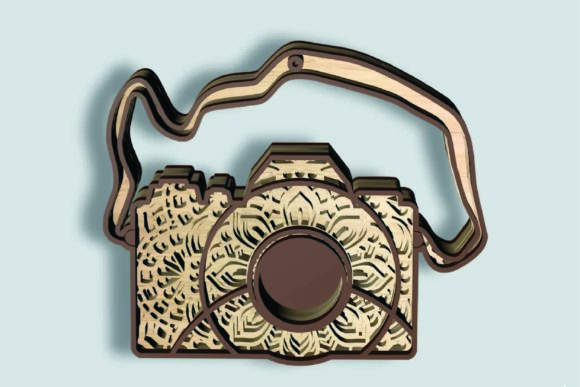
In the realm of digital fabrication and laser cutting, the transition from two-dimensional vector graphics to three-dimensional physical objects requires precise planning and high-quality source files. Among the various design formats available to hobbyists and professionals, the Tourist Photo, 5 Layers, 3D Mandala represents a specific intersection of artistic complexity and technical feasibility. This design category is not merely a flat image but a structural blueprint intended for assembly. It consists of five distinct layers that, when cut and glued together, create a volumetric mandala with depth and shadow play. Understanding the nuances of this format, its file compatibility, and its material applications is essential for anyone looking to integrate such projects into their workflow.
Understanding the Structural Integrity of 5-Layer Designs
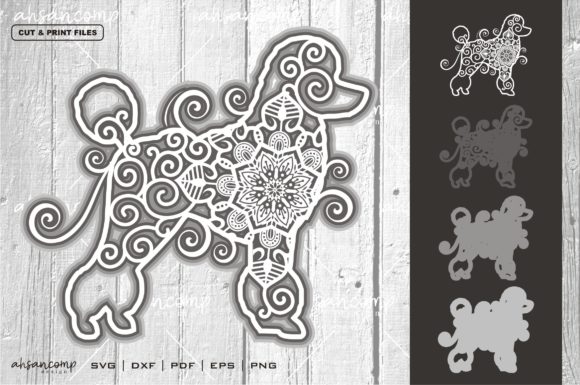
The core appeal of the Tourist Photo, 5 Layers, 3D Mandala lies in its layered construction. Unlike single-pass cuts that produce flat silhouettes, this design utilizes stratification to build dimension. The "Tourist Photo" aspect typically refers to the visual theme or the intricate detailing inspired by photographic realism translated into vector art, while the "5 Layers" dictate the mechanical assembly process. Each layer serves as a foundational plane, contributing to the overall height and visual density of the final piece.
When evaluating this approach against simpler 1-layer or 2-layer designs, the trade-off becomes apparent. Single-layer mandalas are faster to cut and require no assembly, making them ideal for quick decorations or simple signage. However, they lack the tactile presence and visual intrigue of multi-layered works. The 5-layer configuration offers a significant upgrade in aesthetic impact, creating shadows and highlights that change depending on the viewing angle and lighting conditions. For the maker, this means investing more time in post-processing—specifically, the alignment and gluing stages—but the result is a gallery-worthy object rather than a simple craft item.
File Formats and Digital Flexibility
A critical factor in selecting a design file is its versatility across different software ecosystems. The Tourist Photo, 5 Layers, 3D Mandala is widely distributed in industry-standard formats including EPS, SVG, CDR, and sometimes DXF. Each format serves a specific purpose in the production pipeline:
- SVG (Scalable Vector Graphics): This is the most common format for web-based design tools and entry-level laser cutters. SVGs are resolution-independent, meaning you can scale the design up or down without losing quality. This is particularly useful if you want to adjust the size of your mandala to fit a specific frame or wall space. Because SVGs are XML-based, they are lightweight and easy to edit in free software like Inkscape or Adobe Illustrator.
- EPS (Encapsulated PostScript): Often used in professional graphic design workflows, EPS files retain complex path data and color information. They are robust for printing and large-scale cutting operations where precision is paramount. If you are working within a corporate design environment or using high-end plotters, EPS ensures that the intricate details of the tourist photo elements remain sharp.
- CDR (CorelDRAW): For users entrenched in the Corel ecosystem, CDR files provide native compatibility. These files often contain pre-organized layers and color codes that correspond directly to machine settings, streamlining the setup process for laser cutters that support Corel integration.
The availability of these multiple formats ensures that whether you are a casual user with a desktop cutter or a professional with industrial equipment, the Tourist Photo, 5 Layers, 3D Mandala can be adapted to your technical constraints. The ability to change colors digitally before cutting also allows for customization, enabling makers to match the mandala to interior decor themes or brand identities without needing to redraw the artwork.
Material Selection and Compatibility
While the digital file defines the geometry, the material determines the texture and durability of the final product. The Tourist Photo, 5 Layers, 3D Mandala is versatile enough to be cut from several substrates, each offering a different aesthetic outcome.
Paper and Cardboard are the most accessible materials for beginners. Paper provides a clean, crisp look and is inexpensive, making it ideal for prototyping or temporary installations. Cardboard, particularly corrugated board, adds structural rigidity, which can help the 5-layer assembly stand up better without excessive support. However, paper is fragile and susceptible to humidity, limiting its use in long-term displays.
Wood is perhaps the most popular choice for permanent 3D mandalas. Plywood, basswood, and MDF (Medium Density Fiberboard) are commonly used. Wood adds warmth and a natural grain texture that complements the intricate lines of the tourist photo design. When cutting wood, the thickness of the material must be accounted for in the layer spacing. Thicker wood may require adjusting the glue joints or using spacers to ensure the layers do not touch prematurely, preserving the intended depth. Additionally, wood burning (engraving) can be combined with cutting to add shading effects, enhancing the "photo-realistic" feel of the design.
Tool Ecosystem: Cricut, Glowforge, and Silhouette
The success of a Tourist Photo, 5 Layers, 3D Mandala project heavily depends on the tool used for fabrication. The market is dominated by a few key players, each with distinct strengths.
Glowforge and other CO2 laser cutters are generally preferred for multi-layer wooden mandalas. Lasers offer high precision, allowing for the fine details inherent in complex mandala patterns to be reproduced accurately. The kerf (the width of the material removed by the laser) is consistent, which aids in the precise alignment of the 5 layers. Glowforge’s cloud-based interface also makes it easy to upload SVG files and adjust settings for different materials quickly.
Cricut and Silhouette machines, which primarily use rotary blades, are excellent for paper, vinyl, and thin cardstock. While some advanced models can cut very thin balsa wood or chipboard, they may struggle with the precision required for intricate 5-layer wooden assemblies. Blade wear and material shifting can lead to jagged edges, which become more noticeable in layered designs where edges are visible. Therefore, if the goal is a high-fidelity wooden 3D mandala, a laser cutter is the superior choice. However, for paper-based versions or smaller decorative items, Cricut and Silhouette offer greater accessibility and lower startup costs.
Evaluating the Value Proposition and Alternatives
When deciding whether to invest time in a Tourist Photo, 5 Layers, 3D Mandala, consider the balance between effort and reward. The primary advantage is the unique visual impact. A well-assembled 5-layer piece commands attention and serves as a sophisticated home decor item or a thoughtful, personalized gift. The inclusion of bonus assets, such as a gift set of 25 additional SVG mandalas, increases the value proposition by providing variety and allowing for experimentation with different styles without purchasing new files repeatedly.
However, alternatives exist. Pre-made 3D puzzles or kit-based mandalas offer convenience, eliminating the need for file management and cutting. These are suitable for those who prioritize ease over customization. Conversely, fully custom vector design services offer bespoke results but at a significantly higher cost and longer turnaround time. The Tourist Photo, 5 Layers, 3D Mandala sits in a middle ground: it offers the customization of digital design with the affordability of pre-made vectors, provided the user has access to the necessary cutting tools.
Decision Factors for Buyers
- Technical Skill Level: Are you comfortable aligning multiple layers and applying glue evenly? If not, start with fewer layers or simpler designs.
- Available Tools: Do you own a laser cutter capable of handling your chosen material? If you only have a blade cutter, stick to paper or thin cardstock.
- Desired Outcome: Is this for a quick craft activity or a lasting art piece? Wood and lasers yield durable results; paper and blades are better for temporary fun.
- File Versatility: Ensure the purchased files include SVG and EPS formats to guarantee compatibility with your software and hardware.
In conclusion, the Tourist Photo, 5 Layers, 3D Mandala is a robust option for makers seeking to elevate their laser cutting projects from flat to dimensional. Its compatibility with major file formats and materials, along with its suitability for leading cutting platforms like Glowforge, Silhouette, and Cricut, makes it a flexible resource. By carefully weighing the material choices and tool capabilities, users can harness the full potential of this design to create striking, professional-grade artworks.