Elevating Romantic Design: The Strategic Value of 3D Valentine Paper Cut SVG Files in Professional Workflows
In the rapidly evolving landscape of digital design and physical production, the line between virtual assets and tangible outcomes has never been thinner. For professionals, creators, entrepreneurs, and marketers, the ability to seamlessly transition from a digital concept to a high-quality physical product is no longer just a luxury—it is a competitive necessity. At the heart of this transformation lies a specialized category of digital assets known as the 3D Valentine Paper Cut SVG File. These files are not merely decorative graphics; they are precision-engineered blueprints that bridge the gap between artistic expression and industrial manufacturing.
As consumer preferences shift toward personalized, handcrafted aesthetics even in mass-produced goods, the demand for intricate, layered designs has surged. This article explores how multilayer layout files, specifically those designed for laser cutting and CNC routing, are reshaping workflows for freelancers and large-scale enterprises alike. We will examine why these specific file formats have become indispensable tools in modern creative industries and how leveraging them can drive both efficiency and profitability.
The Evolution of Digital Craftsmanship
To understand the significance of the 3D Valentine Paper Cut SVG File, one must first appreciate the technological shift occurring within the maker movement and professional fabrication sectors. Traditionally, creating complex paper art or layered signage required manual skill, time-intensive cutting processes, and significant material waste. However, the advent of computer-controlled cutting machines—such as laser cutters and CNC routers—has democratized precision. These machines rely on vector-based instructions to execute cuts with sub-millimeter accuracy.
This technological advancement has given rise to a new class of digital asset: the multilayered design file. Unlike standard raster images (like JPEGs) which consist of pixels, or simple vector paths that define single shapes, a 3D paper cut design utilizes multiple distinct layers to create depth and shadow. When these layers are stacked, they simulate three-dimensional space on a two-dimensional plane. For the modern creator, this means the ability to produce stunning, gallery-worthy installations or intricate greeting cards with minimal physical effort, provided the source file is structured correctly.
Why Professionals Are Prioritizing Multilayer SVG Assets
The market for romantic and celebratory content is perennially robust, but the expectations surrounding it have changed dramatically. Consumers no longer settle for generic, flat imagery. They seek experiences and objects that convey texture, depth, and intentionality. This is where the 3D Valentine Paper Cut SVG File becomes a critical component of a successful product strategy.
Enhanced Visual Impact
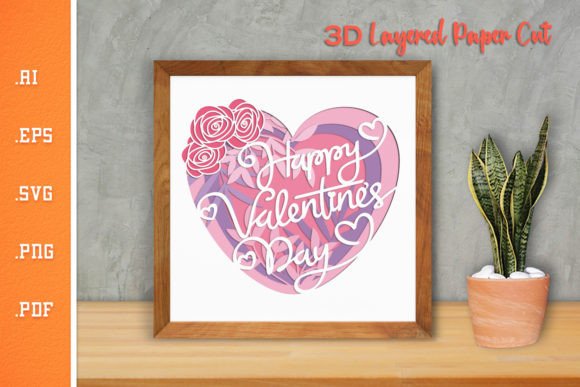
The primary appeal of these files lies in their visual complexity. By separating elements into different Z-axis layers, designers can control lighting and shadow play. A well-structured multilayer file allows a designer to create a scene where foreground elements cast realistic shadows onto background elements, resulting in a "pop-up" effect without the need for mechanical pop-up mechanisms. This level of sophistication commands higher price points in markets ranging from wedding stationery to home decor.
Operational Efficiency and Scalability
For entrepreneurs and freelancers, time is currency. Manually designing each layer of a complex image in CAD software is prone to error and incredibly time-consuming. Pre-prepared digital multilayer layout files solve this bottleneck. They provide a ready-made structural foundation that professionals can customize, brand, or scale. Whether you are producing fifty custom invitations or five thousand promotional posters, the workflow remains consistent and efficient.
Technical Specifications and Workflow Integration
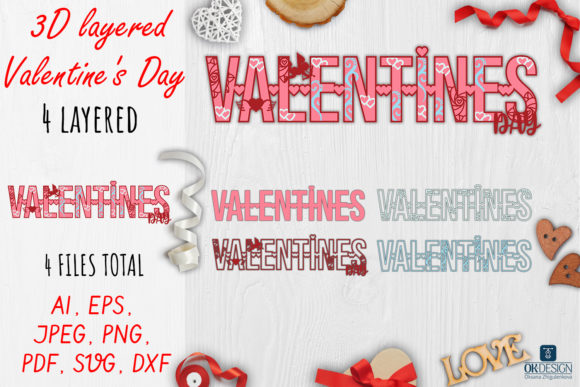
A key differentiator in the quality of these digital assets is the completeness of the file package. High-end providers offer comprehensive ZIP folders containing a variety of formats to ensure compatibility across different software ecosystems and hardware requirements. Understanding these formats is crucial for integrating these assets into your existing workflow.
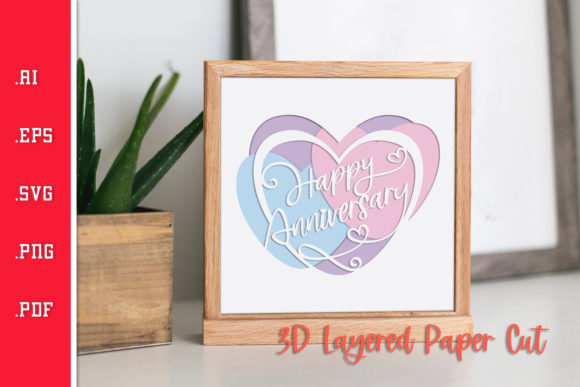
- Vector Formats (AI, EPS, SVG): These are the lifeblood of the design process. AI (Adobe Illustrator) and EPS files allow for deep editing of colors, fonts, and individual vector paths. SVG (Scalable Vector Graphics) is essential for web integration and direct upload to many modern laser cutting software suites. The advantage here is infinite scalability; the graphic size is defined mathematically, not by pixel count.
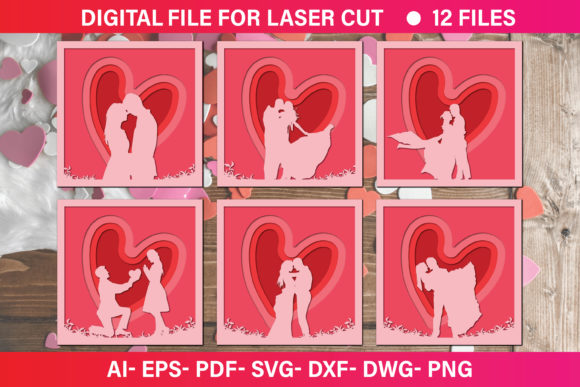
- CNC and Cutting Specifics (DXF, DWG): For professionals using CNC routers or older laser cutting machines, DXF and DWG files are often preferred. These formats are universally recognized by CAD software and ensure that the machine interprets the cut lines exactly as intended, minimizing setup errors.
- Raster and Print Ready (PNG, PDF): PNG files provide immediate visual previews with transparency, useful for mockups and client presentations. PDF files serve as excellent print-ready proofs, ensuring that color profiles and dimensions remain intact during the pre-press phase.
While the source graphic resolution is typically standardized at 1200 x 1200 pixels for preview purposes, the true power of these files lies in their vector nature. Because they are scalable infinitely, a designer can take a small detail meant for a business card and expand it to cover an entire wall mural without any loss of quality. This flexibility is particularly valuable for event planners and interior decorators who need to adapt designs to varying spatial constraints.
Market Trends and Consumer Behavior
The resurgence of interest in handmade and artisanal products has created a fertile ground for these digital assets. According to recent market analyses, there is a growing preference for "slow consumption"—buying fewer items that are more meaningful and durable. Valentine’s Day, being a peak period for gifting, sees a surge in demand for unique, non-traditional gifts. A 3D paper cut artwork, whether framed as wall art or used as a centerpiece, fits perfectly into this trend.
Furthermore, the rise of the "prosumer" market—individuals who are professional-grade users of hobbyist equipment like Cricut and Silhouette cutters—has expanded the addressable market for these files. These users are looking for premium, ready-to-cut designs that save them hours of troubleshooting. By offering or utilizing high-quality 3D Valentine Paper Cut SVG Files, businesses can tap into this eager community of creators who are constantly seeking fresh, sophisticated designs to share or sell.
Practical Applications Across Industries
The versatility of these multilayer layout files extends far beyond traditional greeting cards. Let us explore how different sectors are leveraging this technology:
- Wedding Industry: Couples are increasingly personalizing their weddings. Custom 3D paper cut place cards, table numbers, and backdrop installations are becoming staples. The layered depth adds a touch of elegance that flat prints cannot match.
- Corporate Branding: Marketing agencies use these files to create immersive brand activations. Imagine a trade show booth featuring a massive, illuminated 3D paper cut logo that changes appearance depending on the viewer's angle. The precision of the SVG ensures crisp edges even at large scales.
- Home Decor and Interior Design: With the popularity of accent walls and gallery walls, customizable 3D art pieces are in high demand. Designers can use these files to create bespoke light boxes, where LED lights are placed behind the layers to highlight the depth and silhouette of the design.
- Event Planning: From birthday parties to corporate galas, 3D paper cut photo booths and stage backdrops offer Instagram-worthy moments. The durability of the cut materials, combined with the striking visual impact, makes them a cost-effective solution for high-impact decor.
Future-Proofing Your Creative Business
As we look ahead, the integration of digital fabrication tools into mainstream design practices will only deepen. The ability to own and utilize proprietary or high-quality licensed assets like the 3D Valentine Paper Cut SVG File positions businesses for long-term success. It reduces dependency on external manufacturers for prototyping and allows for rapid iteration based on customer feedback.
Moreover, sustainability is becoming a core value for consumers. Laser cutting and CNC routing are precise methods that minimize material waste compared to traditional die-cutting or manual assembly. By choosing digital workflows that optimize material usage, creative professionals can align their operations with eco-conscious values, appealing to a broader, more environmentally aware audience.
Conclusion
The 3D Valentine Paper Cut SVG File represents more than just a collection of vector paths; it is a gateway to a new era of creative production. By combining the aesthetic appeal of layered depth with the precision of digital cutting technologies, these assets empower professionals to deliver exceptional value to their clients. Whether you are a freelancer looking to expand your service offerings, an entrepreneur launching a new product line, or a marketer seeking to captivate your audience, investing in high-quality, multilayer digital files is a strategic move. Embrace the technology, respect the craft, and unlock the full potential of your creative vision.