Evaluating the 3D Blue Mockup Logo in Wall for Professional Brand Presentation
In the competitive landscape of graphic design and branding, the method by which a logo is presented can be just as critical as the design itself. A static image file often fails to convey the depth, texture, and real-world application of a brand identity. This is where specialized presentation tools become essential assets for designers, agencies, and business owners looking to communicate the value of their work effectively. Among the various options available, the 3D Blue Mockup Logo in Wall has emerged as a distinct choice for those seeking a premium, modern aesthetic that bridges the gap between digital creation and physical reality.
This article provides a comprehensive evaluation of this specific mockup resource. We will examine its technical specifications, visual characteristics, and practical applications to help you determine whether it aligns with your current project requirements or if alternative solutions might serve your needs better. The goal is to offer a balanced perspective on how this tool fits into the broader ecosystem of design resources.
Understanding the Core Concept: Realism Meets Digital Convenience
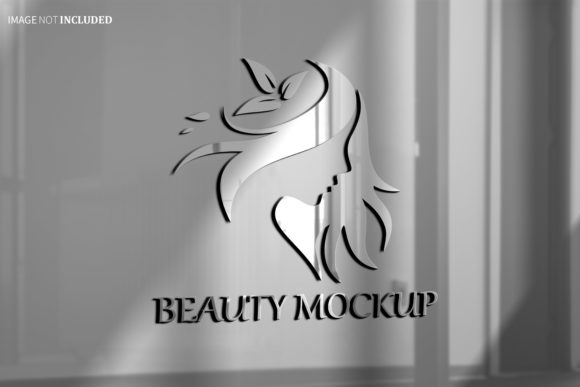
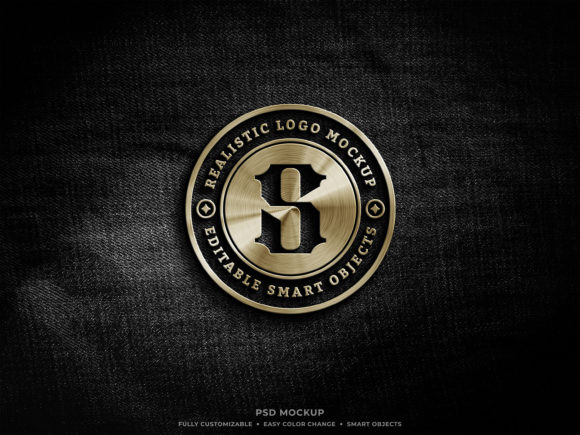
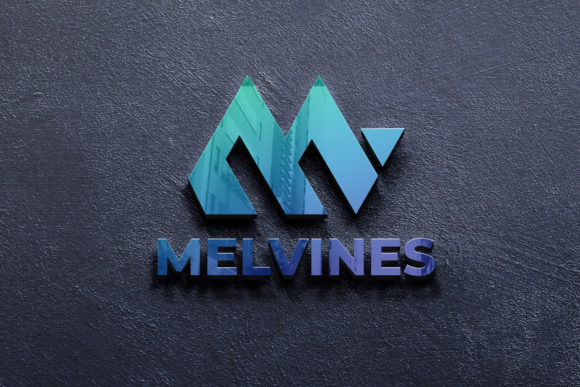
The primary appeal of a 3D Blue Mockup Logo in Wall lies in its ability to simulate a high-fidelity environment without the logistical challenges of physical photography. Traditional mockups require setting up lighting, cameras, and physical surfaces, which can be time-consuming and expensive. In contrast, this digital solution leverages advanced rendering techniques within Adobe Photoshop to create an illusion of depth and materiality.
The "blue" aspect of this mockup is not merely a color choice but a strategic design element. Cool tones like blue are frequently associated with trust, stability, and professionalism in corporate branding. By placing a logo against a textured wall rendered in varying shades of blue, the mockup creates a sophisticated backdrop that allows the logo to stand out while maintaining a cohesive color palette. This is particularly useful for tech companies, financial institutions, healthcare providers, and creative studios that wish to project an image of reliability and innovation.
Furthermore, the term "realistic texture" indicates that the surface is not a flat, uniform color. Instead, it mimics the imperfections of real materials—such as subtle grain, slight variations in paint finish, or concrete textures. These details are crucial for credibility. When a client sees a mockup that looks artificially smooth or digitally generated, they may question the quality of the final product. A realistic texture grounds the design in the physical world, making it easier for stakeholders to visualize the logo on actual signage, office walls, or merchandise.
Technical Specifications and Workflow Efficiency
For professionals who value efficiency, the technical structure of a mockup file is a significant factor in adoption. The 3D Blue Mockup Logo in Wall is delivered primarily as an Adobe Photoshop File (PSD). This format is the industry standard for raster-based editing, ensuring compatibility with most design workflows. However, the true power of this resource comes from its organization and ease of use.
- Smart Object Integration: The core feature of this mockup is the use of Smart Objects. This technology allows designers to double-click a placeholder layer, paste their own logo design, and automatically map it onto the 3D surface. This process preserves the perspective, lighting, and shadows of the original scene, eliminating the need for manual warping or distortion tools. It significantly reduces the time required to present multiple design iterations.
- High Resolution and DPI: With a resolution of 300 dpi, the files are print-ready. This is a critical specification for designers who intend to use these mockups in pitch decks, printed portfolios, or marketing materials. Low-resolution images can appear pixelated when enlarged, undermining the professional appearance of the design. High resolution ensures crisp lines and clear details, regardless of the output size.
- Organized Layers: A well-organized PSD file separates different elements such as the background, the wall texture, shadows, highlights, and the logo placement. This modular structure gives users flexibility. For instance, a designer might want to adjust the brightness of the ambient light or change the angle of the shadow to match their specific branding guidelines. Access to these individual layers empowers users to customize the mockup beyond simple logo insertion.
Comparing Approaches: Digital Mockups vs. Alternatives
When evaluating presentation tools, it is helpful to compare the 3D Blue Mockup Logo in Wall against other common approaches. Understanding these tradeoffs can clarify why one might choose this specific resource over others.
Flat Vector Presentations: Some designers prefer clean, flat vector layouts for their simplicity and scalability. While these are excellent for technical documentation and style guides, they lack the emotional impact of a 3D representation. A flat presentation does not convey scale or context. The 3D blue wall mockup, by contrast, provides immediate context, helping clients understand how the logo interacts with its environment. If the goal is to sell the "feel" of the brand, the 3D approach is superior.
Photorealistic Environments: Another alternative is using stock photography of real walls and manually compositing logos into them. While this can yield highly authentic results, it requires advanced photo manipulation skills. Issues with perspective matching, lighting consistency, and shadow integration can arise, leading to unnatural-looking compositions. Pre-made PSD mockups like the 3D blue version have already solved these complex geometric and lighting problems, offering a more reliable and faster workflow for most users.
Generic Template Libraries: Many online marketplaces offer vast libraries of free or low-cost mockups. However, quantity does not always equal quality. Generic templates often suffer from repetitive backgrounds, outdated styles, or poor layer organization. The emphasis on "premium" and "stylish" in the description of this blue wall mockup suggests a curated design approach. It likely features more refined typography, better color grading, and more sophisticated texturing than mass-produced alternatives. For brands aiming for a unique identity, investing in a higher-quality, unique mockup can enhance the perceived value of the design service.
Ideal Use Cases and Strategic Applications
Determining the right fit for the 3D Blue Mockup Logo in Wall involves considering the specific goals of your project. This resource is particularly effective in several scenarios:
- Client Presentations and Pitches: When pitching a new brand identity, visual impact is paramount. A striking 3D mockup captures attention immediately. The blue wall provides a neutral yet engaging canvas that doesn't distract from the logo itself. It signals that the designer has thought about real-world application, which builds trust with potential clients.
- Social Media and Portfolio Showcases: In the age of digital scrolling, visuals must be eye-catching. High-resolution 3D renders perform well on platforms like Instagram, LinkedIn, and Behance. They stand out against plain white backgrounds and encourage engagement. The "modern and stylish" aesthetic aligns well with contemporary social media trends.
- Internal Design Reviews: Teams can use these mockups to evaluate how a logo holds up in different lighting conditions or on different surfaces before committing to production. The ability to edit the background and lighting helps in stress-testing the design's versatility.
However, there are limitations to consider. If a client specifically requests a minimalist, abstract presentation style, a detailed 3D wall might feel too busy. Additionally, if the logo design relies heavily on intricate gradients or transparency effects, ensure that the mockup’s lighting setup complements these features rather than flattening them. Always preview the logo in the mockup to check for contrast and readability.
Decision Factors: Is This the Right Tool for You?
Choosing between different mockup resources ultimately depends on your workflow priorities, budget, and aesthetic preferences. The 3D Blue Mockup Logo in Wall offers a strong combination of realism, ease of use, and professional polish. Its inclusion of a user guide and JPG previews adds to its usability, allowing for quick assessment before deep editing begins.
If you are a freelancer or agency looking to streamline your presentation process without sacrificing quality, this mockup represents a solid investment. It eliminates the guesswork involved in creating realistic environments and provides a consistent, high-standard output. Conversely, if you require extreme customization of the architectural elements or plan to produce hundreds of varied mockups for a large-scale campaign, you might benefit from exploring 3D software tutorials that allow for dynamic scene building. But for the majority of design projects requiring a single, impactful presentation, pre-made PSD mockups remain the most efficient solution.
Ultimately, the effectiveness of any mockup is determined by how well it serves the design it presents. The blue wall mockup excels in creating a sense of place and professionalism. By understanding its strengths—high resolution, smart object functionality, and realistic texture—and acknowledging its specific stylistic focus, designers can make informed decisions that enhance their creative output and client satisfaction.