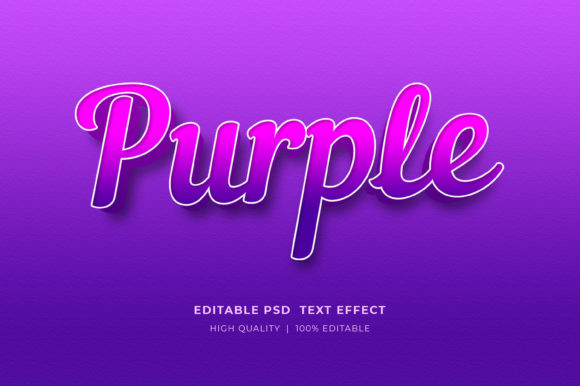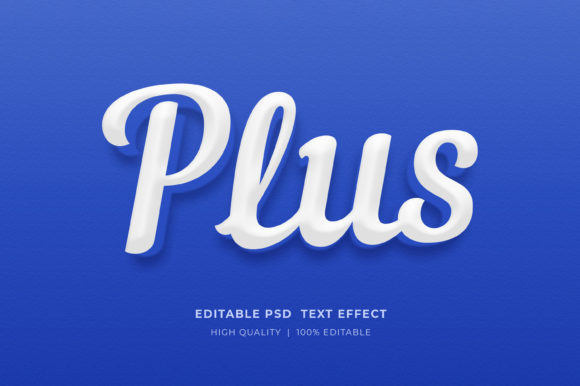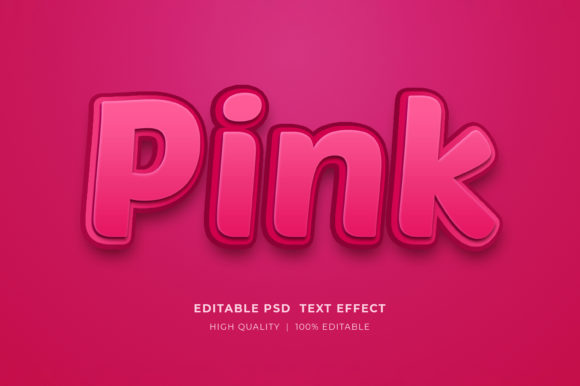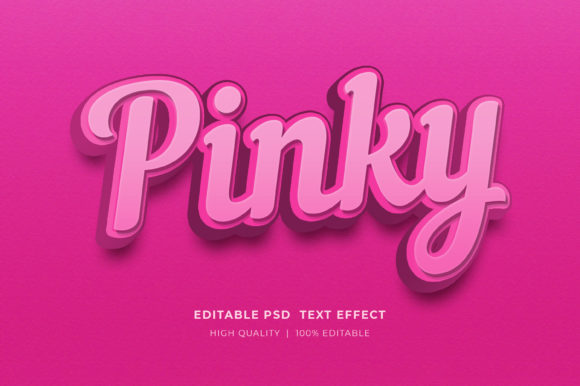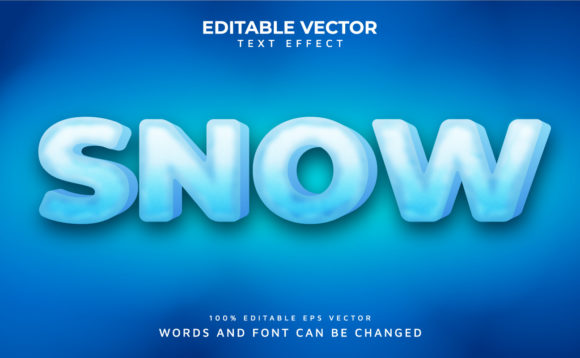
Ice Effect Editable Vector 3D Text Style
In the realm of digital graphic design, typography serves as more than just a vehicle for information; it is a primary tool for establishing mood, hierarchy, and visual impact. Among the various stylistic choices available to designers, three-dimensional text effects have long been a staple for creating depth and realism. Specifically, the Ice Effect Editable Vector 3D Text Style offers a unique aesthetic that combines the crisp clarity of vector graphics with the organic, refractive qualities of frozen surfaces. For professionals evaluating design assets, understanding the technical specifications, practical applications, and limitations of this specific style is crucial for making informed decisions about their creative workflow.
Understanding the Core Technology
To evaluate whether an Ice Effect 3D text asset fits your project requirements, it is essential to first understand what constitutes an "editable vector" in this context. Unlike raster images (such as JPEGs or PNGs), which are composed of fixed pixels, vector graphics are built upon mathematical equations that define lines, curves, and shapes. This fundamental difference dictates how the text behaves when manipulated.
The Ice Effect Editable Vector 3D Text Style typically utilizes layering techniques within software like Adobe Illustrator or Inkscape to simulate translucency, refraction, and specular highlights associated with ice. However, because the core structure remains vector-based, the text retains its scalability. This means you can resize the typography from a business card size to a billboard size without experiencing the pixelation or blurriness that plagues raster-based 3D renders. The "editable" aspect further enhances utility, allowing designers to change the font family, adjust kerning, modify character spacing, and alter the underlying color palette without needing to re-render the entire image from scratch.
Evaluating Key Features and Benefits
When comparing different text effect resources, several distinct advantages emerge with the Ice Effect Editable Vector approach. These features directly address common pain points in graphic design workflows, particularly regarding efficiency and versatility.
High Resolution and Scalability
One of the most significant benefits is the assurance of high resolution. Since vectors do not rely on pixel density, the output quality remains pristine regardless of the export dimensions. This is particularly advantageous for projects that require multi-format usage, such as a campaign that includes both web banners and large-scale print materials. Designers no longer need to create separate low-resolution versions for web and high-resolution versions for print; a single source file suffices.
Customizability and Adaptability
The ability to fully customize the text effect allows for greater brand alignment. If a company’s branding guidelines dictate a specific shade of blue or a particular geometric font, an editable vector template enables quick adaptation. Designers can tweak the gradient stops to match corporate colors, adjust the bevel depth to make the ice appear thicker or thinner, and modify the transparency levels to ensure readability against complex backgrounds. This flexibility reduces the time spent recreating effects from scratch for every new project.
Efficiency Through Free Font Usage
Many premium 3D text packs lock users into proprietary fonts, creating licensing hurdles and compatibility issues. The specification of "Free Font Used" in many Ice Effect templates mitigates this risk. It ensures that the designer can open, edit, and distribute the final work without worrying about font licensing fees or missing typefaces. This lowers the barrier to entry for freelance designers and small businesses who may not have the budget for extensive font libraries.
Practical Applications and Use Cases
Determining where this style fits best requires looking at the emotional and functional goals of a design. The Ice Effect 3D Text Style is not a universal solution, but it excels in specific scenarios.
- Seasonal Marketing Campaigns: Winter holidays, cold weather promotions, and seasonal sales benefit significantly from the thematic association of ice with cold, freshness, and clarity. A product launch for a beverage, air conditioning unit, or winter sport gear can leverage this aesthetic to instantly communicate temperature and atmosphere.
- Tech and Innovation Branding: The clean, sharp lines and translucent qualities of ice can convey modernity, precision, and cutting-edge technology. Startups in the tech sector often use icy blues and crystalline structures to suggest innovation and sleekness.
- Health and Wellness: The purity associated with ice makes it suitable for health-related branding, suggesting cleanliness, refreshment, and revitalization. Spa treatments, dental services, and skincare products often utilize cool tones and clear textures to evoke a sense of calm and hygiene.
Tradeoffs and Considerations
While the benefits are substantial, a balanced evaluation must also consider the limitations and potential tradeoffs associated with editable vector 3D text.
Complexity vs. Performance: Highly detailed ice effects can involve numerous layers, gradients, and blend modes. While vectors are efficient, extremely complex compositions with hundreds of anchor points can slow down rendering times in editing software and increase file sizes. Designers should be mindful of optimizing their layers to maintain performance, especially if the final output needs to be lightweight for web use.
Readability Challenges: The very features that make the ice effect visually striking—translucency, reflections, and shadows—can sometimes compromise text legibility. If the background is busy or the contrast between the text and the background is insufficient, the message may be lost. Careful attention to contrast ratios and background selection is necessary to ensure accessibility and clear communication.
Realism Limitations: Although vector-based 3D effects have improved, they may still lack the photorealistic nuance of ray-traced 3D renders generated by specialized software like Blender or Cinema 4D. For projects requiring hyper-realistic lighting interactions or complex environmental reflections, a pure vector approach might fall short. In such cases, a hybrid approach combining vectors with raster overlays might be more appropriate.
Alternatives Worth Considering
If the Ice Effect Editable Vector 3D Text Style does not align with your specific needs, other options exist depending on your priorities.
For designers seeking maximum realism and control over lighting, 3D Rendering Software offers superior results but comes with a steep learning curve and higher computational costs. Conversely, for projects prioritizing speed and simplicity over depth, Flat Design Typography or Minimalist Vector Styles provide cleaner aesthetics that are easier to implement and less prone to readability issues.
Additionally, Raster-Based 3D Text Effects (PSDs) offer rich texture and photographic realism but sacrifice the scalability and editability of vectors. If the final output is strictly for screen display at fixed resolutions, a PSD might be a viable alternative, though it limits future adaptability.
Decision-Making Insights
Selecting the right text effect ultimately depends on the intersection of technical constraints, aesthetic goals, and workflow efficiency. The Ice Effect Editable Vector 3D Text Style is a strong fit for projects that demand scalability, brand consistency, and thematic relevance to cold or clean concepts. It is particularly valuable for designers who need to iterate quickly across multiple formats without sacrificing quality.
However, if the project requires photorealism above all else, or if the design environment cannot handle complex vector files, alternatives may be preferable. By carefully weighing the benefits of editability and resolution against the potential complexity and realism limitations, designers can determine whether this specific style will enhance their creative output or introduce unnecessary friction. In an era where versatility and efficiency are paramount, the structured flexibility of editable vector 3D text remains a compelling choice for a wide array of professional design applications.