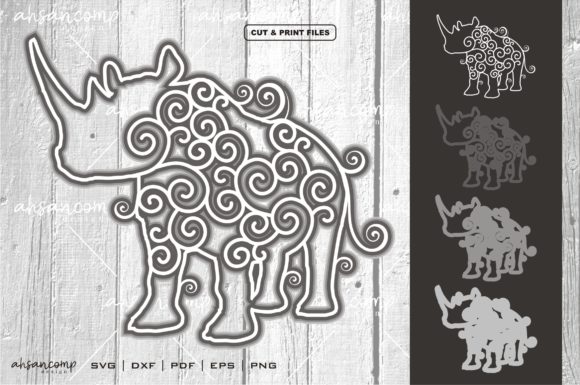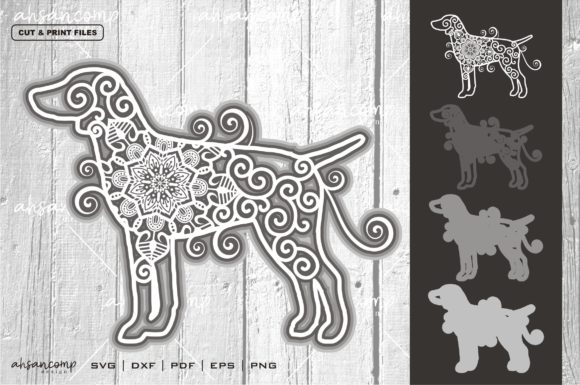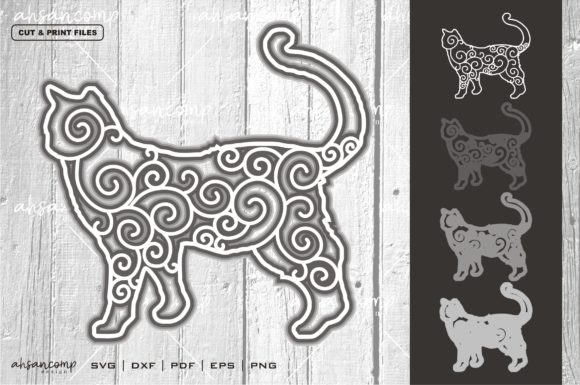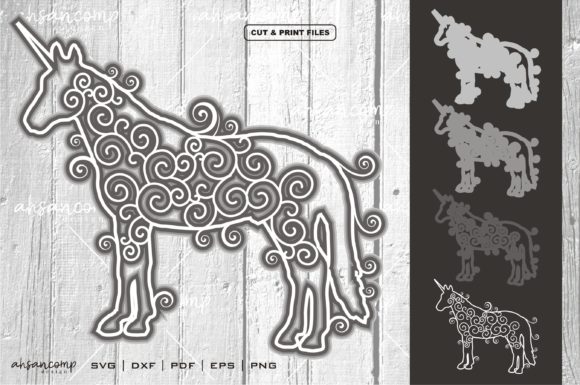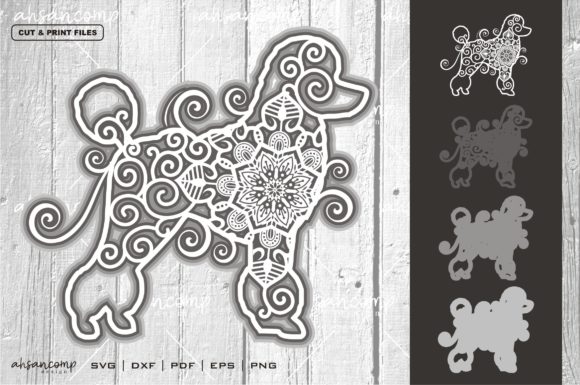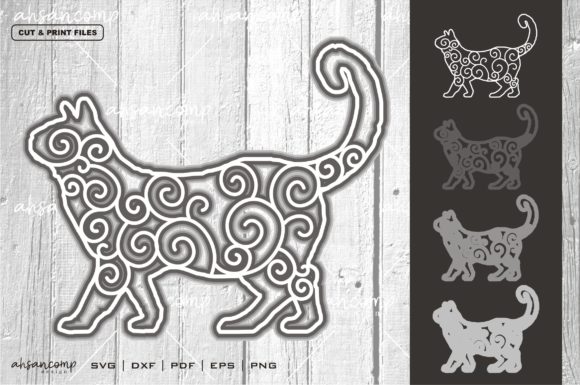
Unlocking Precision: How Cat 12 Vector SVG 3D Layered Files Are Redefining Digital Design Workflows
In the rapidly evolving landscape of digital content creation, the demand for high-fidelity, versatile, and editable assets has never been higher. For professionals, creators, entrepreneurs, and enthusiasts alike, the ability to manipulate visual elements with precision is not just a convenience—it is a competitive necessity. Enter Cat 12 Vector SVG 3D Layered, a sophisticated digital asset that bridges the gap between flat vector graphics and complex three-dimensional rendering. This article explores the significance of this specific file format, its technical advantages, and why it is becoming an essential tool in modern design workflows.
Understanding the Core Technology
To appreciate the value of Cat 12 Vector SVG 3D Layered, one must first understand the convergence of technologies it represents. At its heart, this is a DIGITAL DOWNLOAD of files designed for immediate use by designers and developers. It is crucial to note upfront that No physical items will be sent to you. Any backgrounds, logos, mock ups, photos, framed or cut images are for illustration purposes only. The true value lies in the raw, editable code and structure contained within the download package.
The term "SVG" refers to Scalable Vector Graphics, a format based on XML that allows images to be scaled to any size without losing quality. However, traditional SVGs are often two-dimensional. The "3D Layered" aspect indicates that the design utilizes layered structures to simulate depth, shadows, and perspective, all while remaining fully editable vectors. This means users can adjust individual components—such as highlights, shadows, or structural elements—independently, offering a level of customization that raster images (like JPEGs or PNGs) simply cannot match.
What Is Included in Your Digital Download?
When you purchase or access the Cat 12 Vector SVG 3D Layered pack, you are acquiring a comprehensive suite of tools tailored for various design software environments. Included in this digital download are the following files, ensuring compatibility across different platforms and use cases:
- EPS file: Ideal for professional printing and compatibility with Adobe Illustrator and other desktop publishing software. This format ensures high-resolution output for large-scale banners, business cards, and packaging.
- PNG file: A rasterized version that includes transparency. This is perfect for web overlays, social media posts, and quick previews where vector editing is not required but visual fidelity is.
- PDF file: Ensures consistent viewing across devices and is excellent for sharing designs with clients or stakeholders who may not have design software installed.
- SVG file: The core vector file that allows for infinite scalability and detailed editing in web browsers or vector editors like Inkscape, Sketch, or Adobe Illustrator.
- DXF file
The files will be in a ZIP file format and will need extracting before use. This standard compression method ensures that all related assets remain organized and intact during transfer, preventing corruption or missing links.
Bridging the Gap Between Digital and Physical Creation
One of the most significant trends in the creative industry today is the blurring line between digital design and physical production. Entrepreneurs and marketers are increasingly looking to create merchandise, signage, and branded materials that look as polished online as they do in person. The Cat 12 Vector SVG 3D Layered format addresses this need directly.
By providing both vector (SVG/EPS) and cut-ready (DXF) formats, this asset supports the entire lifecycle of product development. A freelancer can design a logo or graphic element, refine its 3D layers to ensure visual impact on a website, and then immediately export the DXF file to send to a manufacturer for laser-cut wood signs or acrylic displays. This seamless workflow reduces turnaround times and minimizes errors associated with recreating designs for different mediums.
Why Professionals Are Paying Attention
The shift towards Cat 12 Vector SVG 3D Layered assets reflects a broader change in consumer preferences and market expectations. Modern consumers are accustomed to high-quality, immersive visual experiences. Flat, static graphics are often perceived as outdated or low-effort. By incorporating 3D-layered vectors, designers can create depth and interactivity without the heavy processing power required for full 3D rendering engines.
For marketers, this means creating more engaging social media content and ad creatives that stand out in crowded feeds. The ability to tweak colors, shadows, and angles dynamically allows for A/B testing of visual elements to optimize click-through rates. For freelancers, offering these high-end, multi-format deliverables justifies premium pricing and builds trust with clients who value versatility.
Practical Applications Across Industries
The utility of Cat 12 Vector SVG 3D Layered extends far beyond simple graphic design. Here are several practical examples of how this asset class is being utilized:
- Branding and Identity Systems: Companies are moving away from static logos toward dynamic brand identities. Layered vectors allow for animated logos on websites and apps, where different layers move independently to create a sense of life and motion.
- Event Marketing and Signage: Trade shows and corporate events require eye-catching visuals. Using the DXF component, businesses can create custom 3D wall art or dimensional lettering that casts real shadows, enhancing the physical presence of a booth.
- E-commerce Product Mockups: While the mock ups are for illustration purposes only, having layered vector files allows designers to quickly swap out product colors or styles in their own mockup templates, saving hours of manual editing time.
- Web Development: SVGs are lightweight and SEO-friendly. Embedding layered vector graphics directly into HTML allows for crisp visuals on all screen sizes, including retina displays, improving user experience and site performance.
Adapting to Changing Workflow Expectations
The modern creator economy demands efficiency. Time spent converting formats or rebuilding assets from scratch is time lost revenue. The inclusion of multiple file types in the Cat 12 Vector SVG 3D Layered package caters to this need for speed and adaptability. Whether a designer needs to hand off a project to a developer, print a brochure, or cut a vinyl sticker, the necessary file is already prepared.
Furthermore, the layered nature of the SVG encourages experimentation. Designers are no longer bound by the initial composition. They can deconstruct the 3D effect, isolate specific elements, and repurpose them for new projects. This modularity aligns with the agile methodologies favored by tech startups and creative agencies, where rapid iteration is key to success.
Conclusion: Embracing the Future of Design Assets
The adoption of Cat 12 Vector SVG 3D Layered files represents a smart investment for anyone serious about visual communication. It combines the precision of vectors, the depth of 3D aesthetics, and the versatility of multi-format delivery. As technology continues to advance, the ability to seamlessly transition between digital screens and physical objects will become even more critical.
Thank you for taking the time to view my design illustrations. We hope this guide has clarified the benefits and applications of these powerful assets. By leveraging these tools, you can elevate your projects, streamline your workflow, and meet the growing demands of a visually driven world.
If you have any questions regarding compatibility, usage rights, or technical support, please contact me, I will be happy to help. Your success in creating impactful, professional-grade designs starts with the right tools, and Cat 12 Vector SVG 3D Layered provides exactly that.