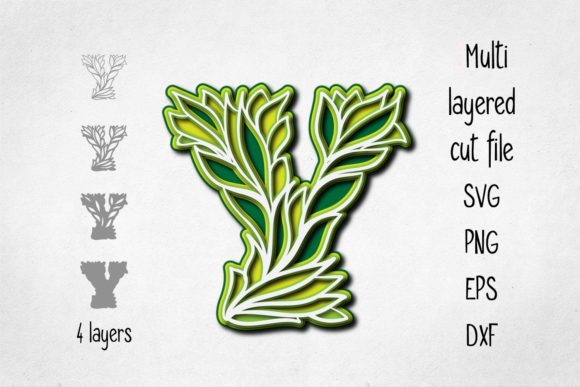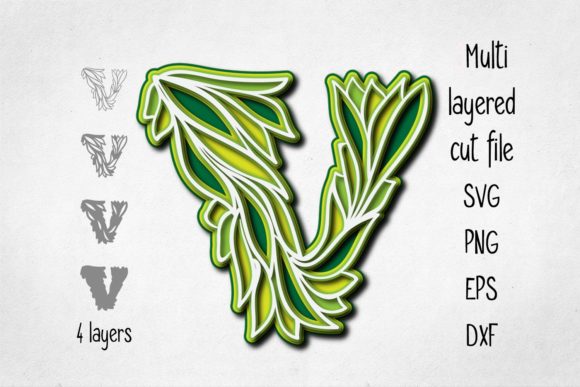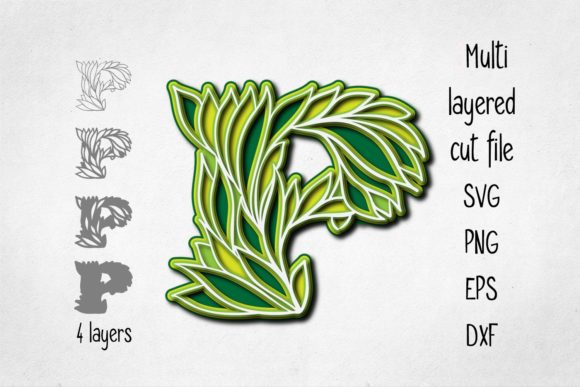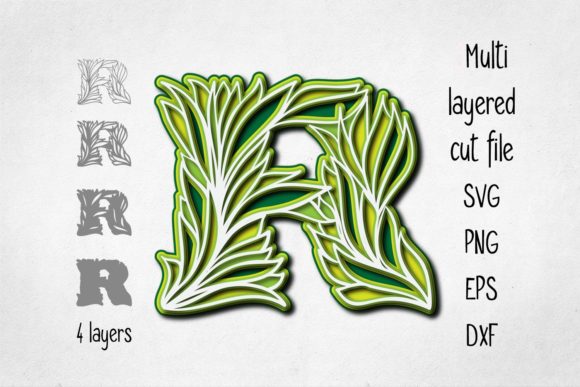
3D Layered Alphabet Letter R
The intersection of digital design and physical craftsmanship has never been more vibrant. In an era where personalization is paramount, the demand for unique, handmade, or semi-handmade home decor items continues to rise. At the heart of this creative movement is a simple yet versatile concept: the 3D Layered Alphabet Letter R. This specific design serves as an excellent case study for how digital assets can be transformed into tangible, high-impact objects. Whether you are a professional woodworker, a hobbyist with a Cricut machine, or a parent looking for a meaningful gift, understanding the mechanics and possibilities of layered typography unlocks a new level of creative control.
Unlike standard flat decals or single-cut vinyl stickers, a 3D layered letter introduces depth, shadow, and dimensionality. The "R" in question is not merely a shape; it is a structural composition. It consists of several distinct layers that, when assembled correctly, create a visual pop that draws the eye. This technique allows creators to move beyond two-dimensional constraints, offering a tactile experience that resonates deeply with modern interior design trends focused on texture and minimalism.
The Evolution of Layered Typography in Home Decor
Trends in home decor have shifted significantly over the past decade. We have moved away from mass-produced, uniform aesthetics toward spaces that reflect individual identity. Wall decor, once dominated by framed prints or generic quotes, is now being reimagined through dimensional art. The popularity of projects like the 3D Alphabet Layered letter stems from this desire for customization. People no longer want just any letter; they want a letter that fits their specific color palette, material preference, and spatial requirements.
This shift is also driven by the democratization of fabrication technology. With the widespread availability of laser cutters, CNC routers, and electronic cutting plotters, complex designs that were once reserved for industrial manufacturing are now accessible to small businesses and DIY enthusiasts. The 3D Layered Alphabet Letter R exemplifies this accessibility. It provides a template that is sophisticated enough to look professionally made, yet simple enough for a beginner to assemble without advanced engineering skills. The result is a product that feels premium and thoughtful, qualities that are highly valued in today’s gift-giving culture.
Material Versatility: From Card Stock to MDF
One of the most compelling aspects of this design is its material agnosticism. The beauty of a layered vector file lies in its adaptability. You are not locked into a single medium. Instead, the choice of material dictates the final aesthetic and functional application of the piece.
- Paper and Card Stock: For those starting out or working on smaller budgets, card stock offers a clean, matte finish. By using less layers or keeping them flush against one another, you can achieve a "flat" but textured look. This is ideal for temporary wall art, scrapbooking, or lightweight decorations that won’t stress mounting hardware.
- Vinyl and Adhesive Films: Vinyl allows for glossy finishes and water-resistant applications. If you leave space between the layers during assembly, you create a striking 3D effect even with thin materials. This is particularly effective for creating decals for laptops, water bottles, or smooth furniture surfaces.
- Wood, Plywood, and MDF: For a permanent, rustic, or industrial look, thicker materials like MDF (Medium Density Fiberboard) or plywood are superior. These materials are thick enough to provide a 3D effect on their own, even if stacked minimally. The natural grain of wood adds warmth, while painted MDF offers a crisp, modern contrast. This approach is perfect for large-scale wall installations or nursery decor.
- Plastic and Acrylic: For a contemporary, sleek aesthetic, clear or colored acrylic layers can create a glass-like depth. This works exceptionally well in modern offices or minimalist living rooms.
The ability to choose your material means you can tailor the project to the recipient’s taste or the room’s existing decor. A wooden "R" might suit a farmhouse kitchen, while a neon-lit acrylic version could enhance a teenager’s bedroom or a creative studio workspace.
Design Specifications and Practical Considerations
When working with the 3D Layered Alphabet Letter R, attention to detail is crucial for achieving the best results. The design is substantial, standing over 8 inches (20 cm) tall. This size ensures that the letter is visible and impactful when hung on a wall or placed on a shelf. However, scalability comes with responsibilities.
Resizing the Design: While you can scale this design up or down, there are practical limits. When reducing the size, you must consider the thickness of the cut elements. Thin internal bridges or delicate curves may become too fragile to cut or handle if scaled down too far. For smaller projects, such as keychains or small tags, it is advisable to simplify the layer count or choose a bolder font style. Conversely, scaling up requires ensuring that your cutting bed accommodates the larger dimensions and that your mounting solution can support the weight of the chosen material.
Layer Count and Color Combinations: The design allows for flexibility in the number of layers used. Using fewer layers creates a subtler, more integrated look, while adding more layers amplifies the 3D effect and allows for more complex color blocking. You are not restricted to monochromatic schemes. Mixing contrasting colors—such as a dark wood base with a bright white top layer—can make the letter pop against neutral walls. Experimenting with gradients or ombre effects by staining or painting layers differently can add a professional touch that elevates the piece from a craft project to a piece of art.
Technical Deliverables and Workflow Integration
To ensure compatibility with various workflows and machines, the purchase includes a comprehensive ZIP folder containing multiple file formats. This versatility is essential for both professionals who need precise vector data and hobbyists who prefer ready-to-print images.
- SVG File: This is the industry standard for electronic cutting machines like Cricut and Silhouette. The SVG contains all layers organized logically, allowing you to easily separate them for different colored materials or depths. It is scalable without loss of quality, making it ideal for precise cutting paths.
- PNG File: Provided at 300 dpi with a transparent background, the PNG is perfect for printing. If you plan to print the layers on paper or card stock using a home printer rather than a cutter, this format ensures crisp edges and accurate colors. The transparency allows you to overlay the design onto other graphics or backgrounds during the design phase.
- EPS and DXF Files: These formats are critical for users with laser cutters, CNC routers, or professional vector editing software like Adobe Illustrator or CorelDRAW. The EPS and DXF files contain the vector paths necessary for laser engraving or deep routing. They ensure that the intricate details of the "R" are preserved with high precision, especially when working with thicker materials like wood or acrylic.
Before beginning your project, always verify that your machine is compatible with these file formats. Laser cutters typically require DXF or AI/EPS files, while vinyl cutters thrive on SVGs. Understanding this distinction prevents errors and wasted material. It also highlights the importance of checking your machine’s capabilities regarding material thickness and cutting force before committing to a production run.
Why This Design Matters for Creators and Consumers
The relevance of the 3D Layered Alphabet Letter R extends beyond mere decoration. It represents a shift towards mindful consumption and creative engagement. In a market saturated with disposable goods, creating something by hand—or overseeing its creation—adds value and emotional resonance. A personalized letter wall art piece becomes a conversation starter, a marker of achievement, or a cherished memory.
For entrepreneurs, this design offers a low-barrier entry into the custom decor market. Because the digital asset is reusable, the marginal cost of producing additional units is low, provided the creator sources materials efficiently. This makes it an attractive product for Etsy sellers, local craft fair vendors, and boutique home goods stores. The ability to offer customization—such as choosing specific wood types or paint colors—allows businesses to command higher price points and build customer loyalty.
For educators and parents, these projects serve as excellent STEM/STEAM activities. They teach geometry, spatial reasoning, and fine motor skills. Assembling the layers of the "R" helps children understand how 2D shapes combine to form 3D structures. Furthermore, the process encourages patience and planning, as each layer must be aligned perfectly to achieve the desired effect.
Final Thoughts on Creative Implementation
As you embark on your project with the 3D Layered Alphabet Letter R, remember that the design is a starting point, not a rigid constraint. The true value lies in how you interpret it. Don’t be afraid to mix materials—perhaps a wooden base with a metallic foil top layer. Don’t hesitate to adjust the spacing between layers to change the shadow play. The goal is to create something that feels authentic to your style and purpose.
Whether you are designing a monogram for a wedding, a nameplate for a child’s room, or a decorative accent for your office, this layered approach offers endless possibilities. By leveraging the provided file formats and experimenting with materials, you can produce a result that is both visually stunning and personally significant. In a world that increasingly values uniqueness and craftsmanship, the 3D layered letter stands as a testament to the power of simple, well-executed design.