Donner 3D Layered SVG Cut File
Creating depth in physical crafts used to require complex woodworking skills or expensive machinery. Today, the barrier to entry has lowered significantly thanks to digital cut files that allow hobbyists and professionals alike to produce intricate, multi-dimensional designs from simple materials like cardstock, vinyl, or wood veneer. The Donner 3D Layered SVG Cut File represents a prime example of this technology in action, offering a structured approach to creating visual impact through layering.
This specific digital asset is designed for users who want to move beyond flat decals and single-layer stickers. By utilizing a layered approach, you can build shadows, highlights, and structural interest into your projects. Whether you are preparing a gift for a loved one, designing a display for a small business, or simply exploring your creative side, understanding how to leverage these files effectively can transform a basic craft project into a professional-grade piece.
Understanding the Format and Compatibility
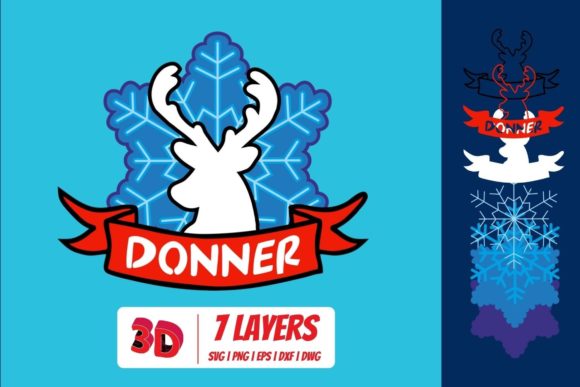
The versatility of digital cut files lies in their format compatibility. When you purchase or download the Donner 3D Layered SVG Cut File, you are not receiving just one type of file. Instead, you receive a comprehensive zipped folder containing multiple formats: SVG, DXF, PNG, and EPS. This diversity ensures that regardless of your software preference or cutting machine brand, you have the tools necessary to bring the design to life.
The SVG (Scalable Vector Graphics) file is the industry standard for modern electronic cutting machines. It is particularly powerful because it retains the layer structure of the original design. This means that when you open the file in compatible software, you do not get a single merged image; you get distinct layers that correspond to different depths or colors in the final 3D effect. This is crucial for the assembly process, as each layer must be cut separately and then adhered in a specific sequence.
If you are using advanced design software, the EPS (Encapsulated PostScript) file offers high-fidelity vector data suitable for programs like CorelDraw, Inkscape, and Adobe Illustrator. These formats are ideal if you plan to make significant modifications to the design before cutting, such as resizing text, changing color palettes, or combining the Donner design with other elements in a larger composition.
For those on a budget or using entry-level hardware, the DXF (Drawing Exchange Format) file provides excellent compatibility with Silhouette Basic Edition and other simpler CAD-style programs. While DXF files sometimes lose some of the complex layering metadata found in SVGs, they remain highly effective for basic cutting tasks and are widely supported across various platforms.
The inclusion of a PNG (Portable Network Graphics) file with a transparent background at 300 DPI serves a different purpose. Unlike vector files, which are mathematical representations of shapes, PNG is a raster image. This is useful for previewing the design, printing it directly on paper without a cutter, or using it as a reference image while assembling the 3D layers. It ensures you have a clear visual guide even if your primary cutting software encounters issues.
Software Ecosystem and Workflow
To get the most out of the Donner 3D Layered SVG Cut File, it is essential to use the right software. The file is optimized for several popular cutting machine ecosystems, ensuring a smooth workflow from screen to material.
- Cricut Design Space: If you own a Cricut Maker or Explore series machine, this is your primary hub. You can upload the SVG file directly into Design Space. Once uploaded, the software will typically separate the layers automatically. You can then assign different colors or materials to each layer to help visualize the stacking order before you begin cutting.
- Silhouette Designer Edition: Users of Silhouette machines often prefer this software for its robust editing capabilities. It allows for precise manipulation of layer positions and sizes. The layered nature of the SVG file translates well here, allowing you to adjust the spacing between layers to control the perceived depth of the final 3D object.
- Make the Cut (MTC): Known for its user-friendly interface, Make the Cut is excellent for organizing complex designs. It helps manage the registration marks and alignment points that are critical when assembling multi-layered projects.
- Sure Cuts A Lot (SCAL): SCAL is a favorite among power users for its speed and customization options. It handles large SVG files efficiently and provides detailed control over cut settings, which is vital when working with thicker materials like chipboard or basswood.
- Brother ScanNCut Canvas: For Brother machine owners, the Canvas app simplifies the process of importing and preparing designs. It is particularly useful for beginners who need guided steps to ensure their layers are aligned correctly before sending commands to the cutter.
Creative Applications and Project Ideas
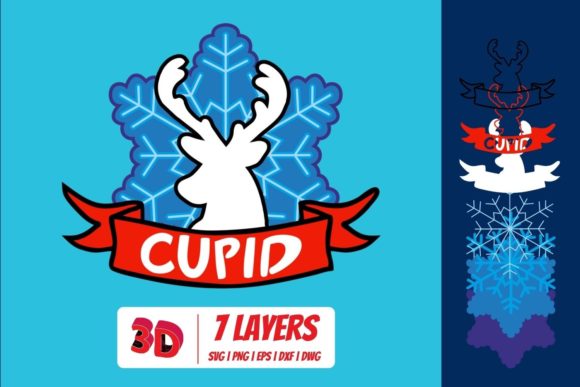
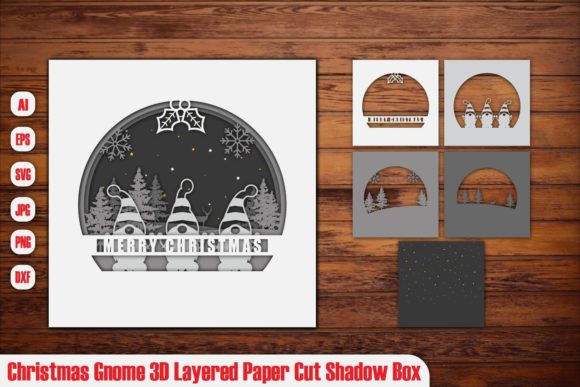
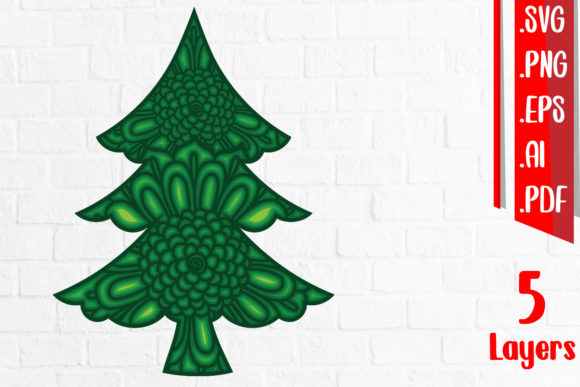
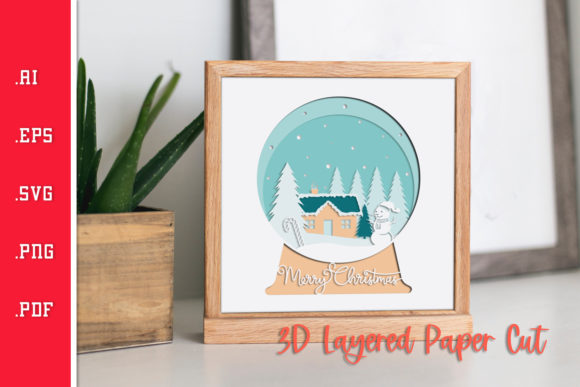
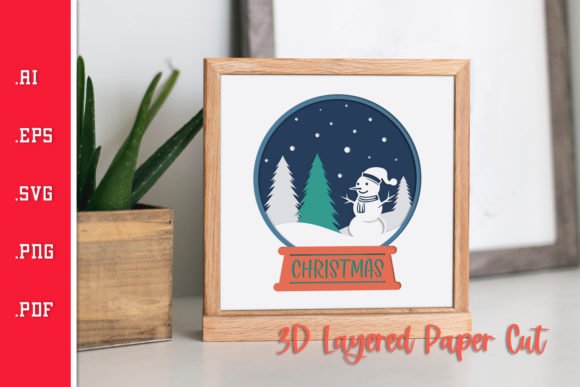
The true value of the Donner 3D Layered SVG Cut File emerges when you apply it to real-world projects. The layered technique creates an optical illusion of depth, making flat materials appear three-dimensional. This effect is highly engaging for viewers and adds a premium feel to handmade goods.
Home Decor and Wall Art
One of the most popular uses for 3D layered designs is wall art. Imagine a landscape scene where the sky, mountains, trees, and foreground elements are cut from different colored cardstocks and stacked. The shadow cast by each layer creates natural depth. You can create seasonal decorations, such as autumn leaves falling against a gradient sky, or winter scenes with snow-covered hills. The key here is to choose a cohesive color palette that enhances the lighting effect.
Personalized Gifts and Keepsakes
Customization is a major trend in crafting. Use the Donner file to create personalized name signs, anniversary frames, or baby milestone markers. By layering the letters over a decorative background, you can make a simple name sign look sophisticated. For example, a child’s name could be built up with textured backgrounds representing their interests—books, sports, or music—creating a narrative element in the design.
Business Branding and Displays
Small business owners and entrepreneurs can benefit significantly from 3D layered graphics. Consider creating eye-catching table tents for farmers markets, branded coasters, or decorative signage for pop-up shops. A 3D logo or icon stands out more than a flat print, capturing attention in crowded environments. Because the files include EPS and SVG formats, you can easily resize these assets for both physical cuts and digital marketing materials, ensuring brand consistency across all platforms.
Practical Tips for Assembly and Quality Control
While the digital file makes the cutting process straightforward, the assembly phase requires patience and precision. Here are some practical recommendations to ensure your final product looks polished.
- Material Selection: The choice of material affects the final look. Cardstock is great for intricate details but may lack rigidity for large pieces. Foam sheets add significant height and shadow, enhancing the 3D effect. Wood veneer offers a rustic, high-end aesthetic. Experiment with different textures to see what best suits your design.
- Adhesive Choice: Use double-sided foam tape or glue dots for the layers that need height. For layers that sit flush against the base, use strong adhesive sheets or liquid glue. Avoid excess glue that might seep out and mar the edges of your design.
- Alignment Strategy: Create a "registration" system. Before fully adhering the top layers, lightly tack them down to check alignment. Many creators use a lightbox or a tablet displaying the original PNG file underneath the work surface to trace or align the layers perfectly.
- Testing: Always run a test cut on scrap material first. This helps you verify that the blade depth is correct and that the layers fit together as expected. Adjustments to cut pressure or speed can prevent tearing or incomplete cuts, especially when working with thicker materials.
In conclusion, the Donner 3D Layered SVG Cut File Download is more than just a set of lines on a screen; it is a toolkit for creativity. By leveraging the included SVG, DXF, PNG, and EPS formats, you can adapt the design to your specific software and machine needs. Whether you are a seasoned pro or a curious beginner, the ability to create depth and dimension opens up a new realm of possibilities for your crafting journey. Focus on clean lines, thoughtful color choices, and precise assembly, and you will produce works that are not only visually striking but also deeply satisfying to create.