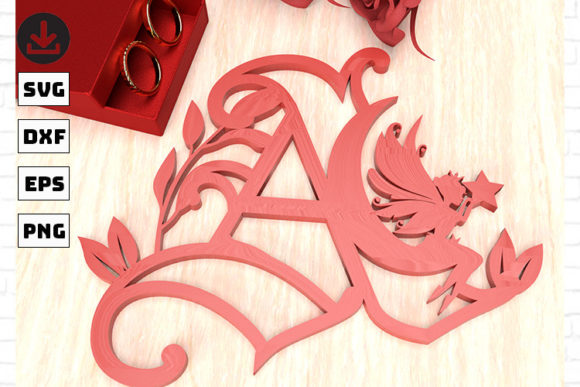
LETTER a 3D with FAIRY
In the realm of digital crafting and DIY design, the distinction between a simple graphic and a functional vector file is critical. For hobbyists and professionals alike, the search for versatile, high-quality assets often leads to specific niche designs that bridge the gap between aesthetic appeal and technical precision. One such asset gaining traction in maker communities is the LETTER a 3D with FAIRY. This digital product represents more than just a decorative initial; it is a complex vector composition designed specifically for fabrication using modern cutting technologies.
This article provides an objective evaluation of the LETTER a 3D with FAIRY design. It explores its technical specifications, intended use cases, material compatibility, and the practical considerations buyers must weigh before purchasing. By understanding the nuances of this digital item, users can determine whether it aligns with their specific project requirements and equipment capabilities.
Understanding the Product: Digital vs. Physical
The most fundamental aspect of evaluating the LETTER a 3D with FAIRY is recognizing its format. This is strictly a DIGITAL item. Buyers will not receive a physical object in the mail. Instead, upon purchase, the user receives a zip file containing the design files. This distinction is crucial for setting expectations regarding delivery times and tangible outcomes. The value proposition lies entirely in the quality of the vector data provided, which allows the user to manufacture the final product themselves.
The design was created using Adobe Illustrator, a standard industry tool for vector graphics. The creator has tested the file to ensure quality, implying that the paths are clean, nodes are optimized, and the geometry is sound for machine interpretation. However, "tested" does not guarantee universal compatibility without user verification. The responsibility falls on the buyer to ensure their specific software and hardware ecosystem can handle the provided formats.
Technical Specifications and File Formats
A key selling point of the LETTER a 3D with FAIRY is its multi-format availability. Different cutting machines and CNC routers require different file types to function correctly. To accommodate this diversity, the download includes a comprehensive suite of formats:
- SVG (Scalable Vector Graphics): Ideal for Cricut and Silhouette machines, as well as web-based design tools.
- EPS (Encapsulated PostScript): A widely supported format for professional printing and vector editing.
- DXF (Drawing Exchange Format): Essential for CAD software and many laser cutters.
- PNG (Portable Network Graphics): Included in a transparent version, useful for raster-based applications or quick previews.
- PDF (Portable Document Format): Useful for viewing and basic printing purposes.
The inclusion of these formats ensures that whether a user operates a desktop cutter like a Cricut Maker or a larger industrial laser engraver, they have access to a compatible file. However, users must unzip the folder correctly to access these files. Standard operating system procedures apply: right-clicking the downloaded archive and selecting "Extract All" is necessary to retrieve the individual SVG, DXF, and EPS files.
Material Compatibility and Fabrication Potential
The versatility of the LETTER a 3D with FAIRY design extends to the materials it can be cut from. Because it is a vector cut file, it is compatible with any material that a cutting machine or laser can process. Common applications include:
- Wood and Plywood: Laser cutting thin plywood creates a rustic, high-contrast look suitable for home decor.
- Metal: With appropriate laser settings or CNC routing, thin sheet metal can be used for industrial-style signage.
- Paper and Cardboard: Perfect for scrapbooking, wedding invitations, or intricate paper quilling projects.
- Balsa Wood: A lightweight option ideal for model making or delicate displays.
The design is specified to fit within a 30cm x 30cm page. This dimension provides a substantial size for wall art or furniture accents but remains manageable for most desktop-sized machines. Users should measure their physical workspace and material stock to ensure the 30cm width and height do not exceed their machine’s bed size.
Practical Considerations for Different Machines
While the file is versatile, the execution varies significantly depending on the machinery used. Understanding these tradeoffs is essential for achieving a successful result.
Cutting with Cricut or Vinyl Cutters
For users employing electronic cutting machines like Cricut, there are specific limitations and workarounds. These machines typically struggle with thick, dense materials in a single pass. The product description suggests a clever workaround: doubling the layers of heavy chipboard or balsa 2mm. By layering two sheets of 2mm material, the total thickness becomes 4mm, which might still be challenging for some blades, but the structural integrity increases. Alternatively, users can cut multiple layers of thinner cardstock to build up a 3D effect through assembly rather than depth.
Another critical technical step for Cricut users involves the weld button. Complex designs with overlapping paths can confuse cutting software. If the fairy wings or letter curves intersect, the machine may attempt to cut unnecessary internal lines, resulting in fragile parts. Using the "weld" feature in design software merges overlapping shapes into a single continuous path. This simplifies the cutting process and reduces the risk of material tearing during ejection.
Laser Cutting and CNC Routing
Laser cutters offer greater precision and speed for the LETTER a 3D with FAIRY, particularly when working with wood or acrylic. Lasers can cut through thicker materials in a single pass, eliminating the need for layering tricks required by blade cutters. However, lasers generate heat, which can char wood edges. Users may need to sand or finish the pieces post-cutting to achieve a polished look. CNC routers provide similar benefits but allow for deeper engravings and the ability to cut harder materials like aluminum or hardwoods, though setup times are generally longer.
Evaluating Fit: Who Should Buy This?
The decision to purchase the LETTER a 3D with FAIRY depends largely on the user's goals and existing toolkit.
Strong Fit Scenarios:
- DIY Enthusiasts: Individuals who enjoy creating custom nursery decor, wedding signs, or personalized gifts will find this design highly adaptable.
- Small Business Owners: Sellers on platforms like Etsy can use this file to produce unique wooden letters or metallic decals, adding value to their inventory.
- Teachers and Educators: Classroom decorations featuring alphabet themes are always in demand, and this 3D style adds visual interest compared to flat printables.
Alternatives May Be Worth Considering If:
- You Lack Compatible Equipment: If you do not own a cutting machine, laser, or CNC router, this file has no immediate utility unless you plan to outsource production.
- You Need Print-Ready Graphics: While PDFs are included, the primary purpose is cutting, not high-resolution printing. For large-format printing, dedicated raster images might yield better results.
- You Require Instant Physical Delivery: As a digital download, there is no shipping time, but also no instant gratification of holding the object. If you need the item immediately for an event, sourcing a pre-made physical alternative might be safer.
Conclusion
The LETTER a 3D with FAIRY is a robust digital asset designed for makers who value flexibility and quality. Its multi-format support and compatibility with a wide range of materials make it a valuable addition to a digital library. However, success relies on the user’s technical proficiency in preparing files—such as welding paths—and selecting appropriate materials for their specific machine. By carefully assessing their equipment capabilities and project needs, buyers can leverage this design to create impressive, professional-grade 3D crafts.